Figure scales explained: 1/7, 1/4 and the rest
What a scale like 1/7 actually means, how tall each common scale stands, and why 2 figures of the same scale can differ by several centimeters.
· 4 min read

A scale on a figure box is a ratio. It tells you how the figure compares to the character's height in the story. A 1/7 figure is 1 seventh of the character's full height. It is not a fixed size, and that is where most surprises start.
What a scale ratio means
Take the character's official height and divide it by the scale number. A character who is 165 cm tall comes out at about 23-24 cm at 1/7. The same character at 1/4 is about 41 cm. The smaller the number under the line, the bigger the figure.
The math uses the character's standing height. The sculptor then sets the pose and the maker adds a base, so the height on the box is rarely the plain math result.
Worked examples
Here is a 165 cm character at the common scales:
- 1/8: about 20-21 cm
- 1/7: about 23-24 cm
- 1/6: about 27-28 cm
- 1/4: about 41 cm
- 1/3: about 55 cm
Now try a taller character. Monkey D. Luffy is listed at 174 cm after the timeskip in ONE PIECE, so a standing 1/7 Luffy comes close to 25 cm before the base. Brook stands at 277 cm, so the same 1/7 scale gives you a figure near 40 cm. Same scale, very different object.
The common scales at a glance
- 1/8: compact and often more affordable. Good for a big lineup on a small shelf.
- 1/7: the most common scale for PVC figures. A good balance of detail, price and space.
- 1/6: a step up in size. Faces and outfits get more room for detail.
- 1/4: large display pieces, often 40 cm or more. Many are premium releases with a higher price.
- 1/3: rare and very large. These are usually statues, often in resin, and they need a dedicated spot.
Non-scale and chibi figures
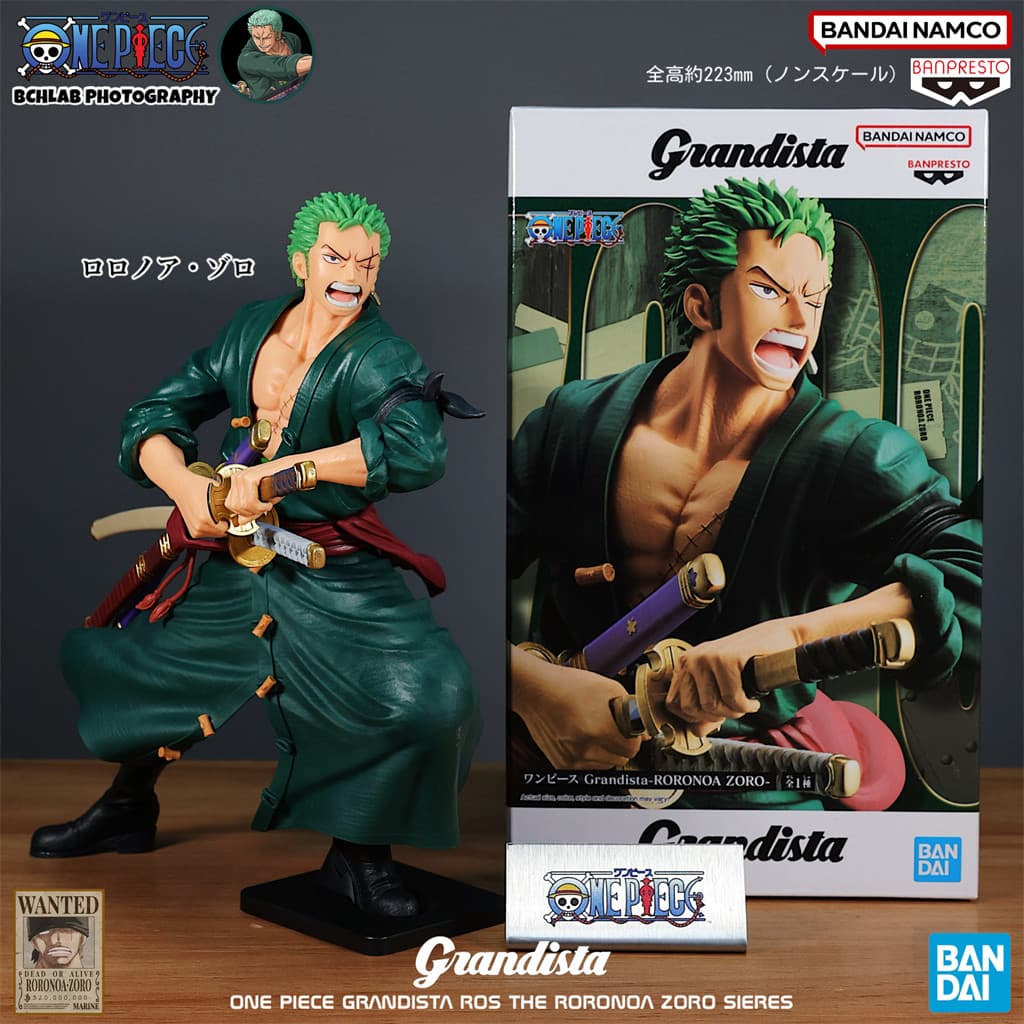
Many figures have no scale at all. Prize figures, made for Japanese crane games and lotteries such as Ichiban Kuji, are usually non-scale. They often stand around 15-25 cm, but the maker picks the size for the line, not from the character's height. So a non-scale Luffy and a non-scale Chopper from the same line can end up close in height.
Chibi lines are a style of their own. They use big heads and small bodies, so a scale has no meaning there. A Nendoroid is about 10 cm tall, and a Q posket figure is about 14 cm.
Why 2 figures at 1/7 are not the same height
- Character height. A tall character makes a tall figure. This is the biggest factor.
- Pose. A sitting, crouching or leaning pose is shorter than a standing one. A jump or a raised arm can make it taller.
- Base. A plain disc adds 1-2 cm. A sculpted base with rocks, waves or effects can add a lot more.
- Hair and effects. Spiky hair, hats, weapons and flame or water effects often set the highest point.
This is why 2 boxes that both say 1/7 can look very different side by side.
Shelf space and weight
Height is only one part. Width and depth grow with the scale too, and dynamic poses spread out sideways. A 1/7 figure fits most standard display cabinets. A 1/4 figure may not fit between 2 shelves at all, so measure the clear height before you order.
Weight climbs fast. Volume grows in all 3 directions, so a figure twice as tall can be far more than twice as heavy. PVC figures stay manageable. Resin statues at 1/4 or 1/3 are heavy and need a stable surface that will not sag.
How to read the height on a product page
The height on a product page is usually the total height, from the bottom of the base to the highest point. That includes hair, weapons and effects. It is the number you need for your shelf.
- Look for "approx." Heights are often rounded, so allow 1-2 cm either way.
- Check whether the height includes the base. Most listings do.
- Look at width and depth if they are listed, especially for wide poses.
- Do not compare scale numbers alone. Compare the listed heights.
If a listing is unclear, write to us through the contact page or at [email protected] before you order.
Mixing scales on a shelf
Mixing scales is fine, and most collections do it. A few habits make it look planned.
- Group by scale where you can, so characters next to each other look the right size.
- Put larger figures at the back or on a lower shelf, and smaller ones in front.
- Use risers or small stands to lift short or sitting figures to the same eye line.
- Give a 1/4 or 1/3 piece its own spot. It becomes the centerpiece anyway.
Compare the listed height, not the scale number. That is what has to fit on your shelf.
A scale tells you the ratio. The listed height tells you the size. Check both, measure your shelf, and the box that arrives will hold no surprises.
GachaBay team
Figure specialists
We are a small shop that only sells anime figures. We write these guides from the questions collectors send us most.
Categories
Share this article
Shop this article
Figures that go with this article, priced today.