What is a GK resin statue?
GK statues are heavy, hand-finished resin pieces made in small runs by independent studios. Here is what sets them apart from PVC figures and what to know before you buy one.
· 4 min read

If you browse anime figures for long enough, you will meet the letters GK. They mark a different kind of collectible from the PVC figures most people start with. A GK resin statue is usually larger, heavier and made in far smaller numbers. This guide explains where the name comes from, what you get today and how to look after one.
Where the name comes from
GK stands for “garage kit”. The term goes back to hobbyists who cast figure parts in resin at home, often in a garage or a small workshop. Those early kits came unpainted and in pieces. The buyer had to clean the parts, fill the seams, glue everything together and paint it by hand.
Unpainted kits still exist, and many modelers love them. But when collectors say GK today, they usually mean something else: a pre-painted resin statue, finished by the studio and ready to display.
GK statues today
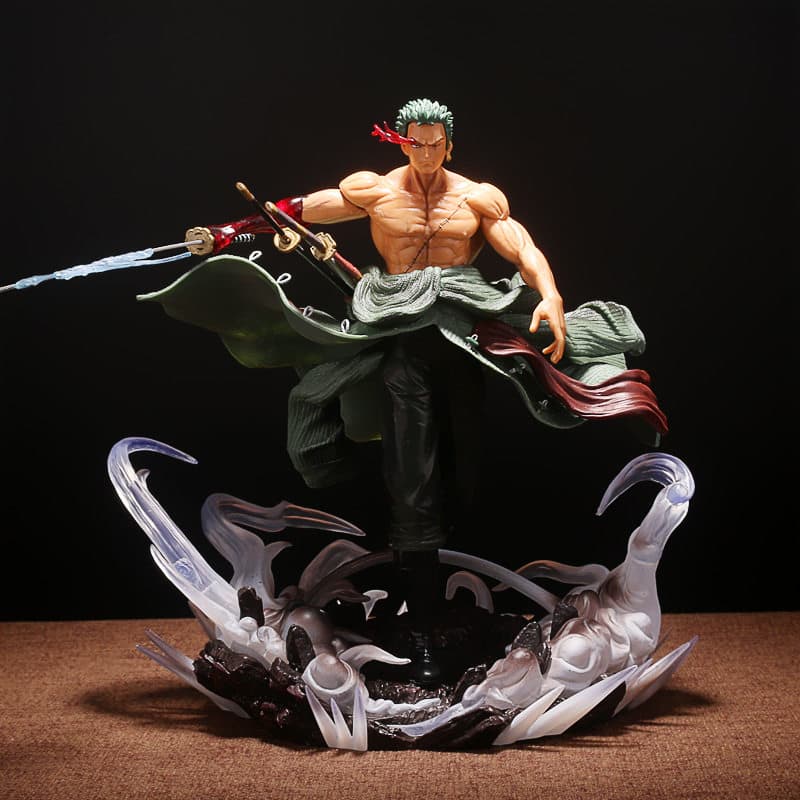
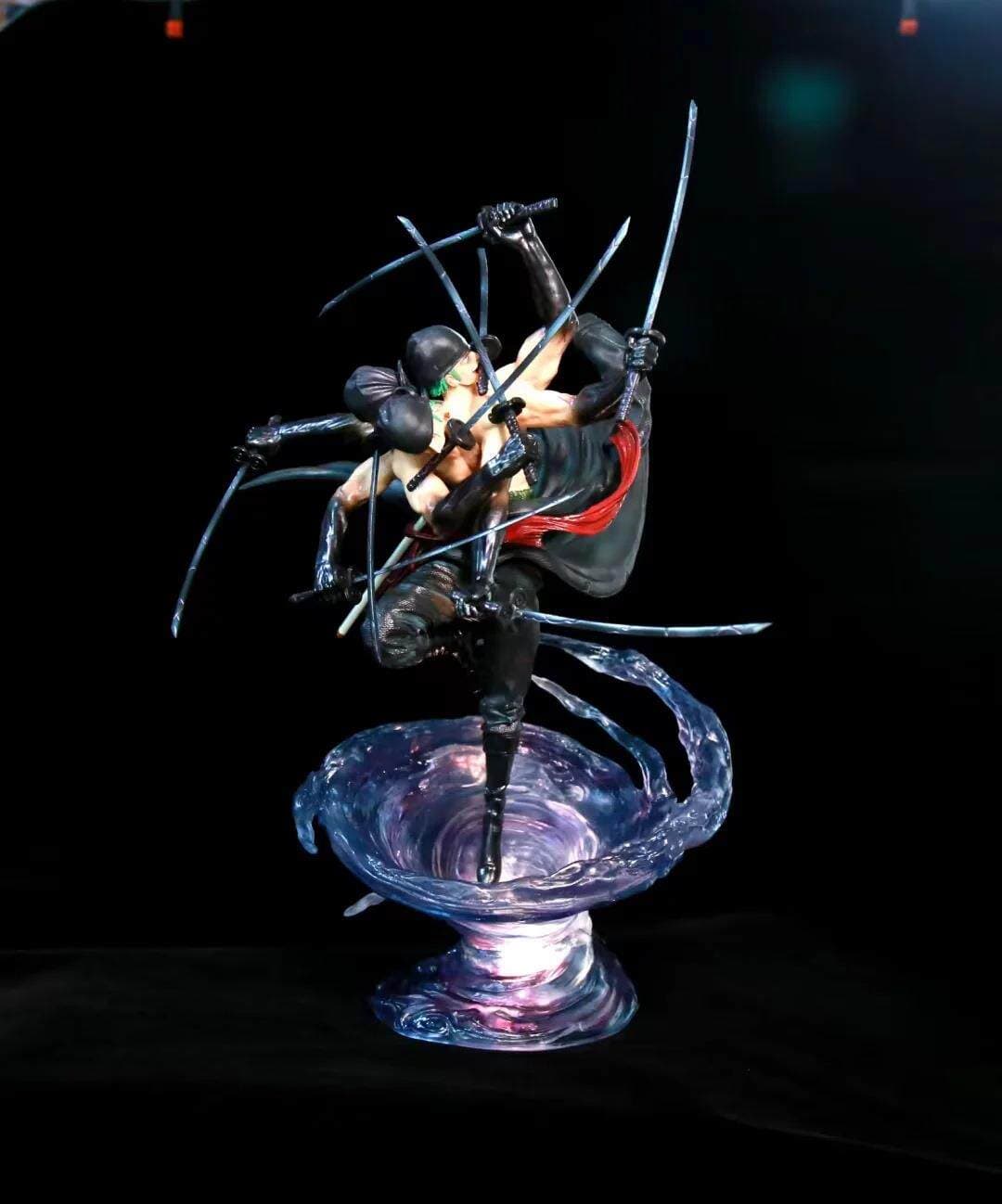
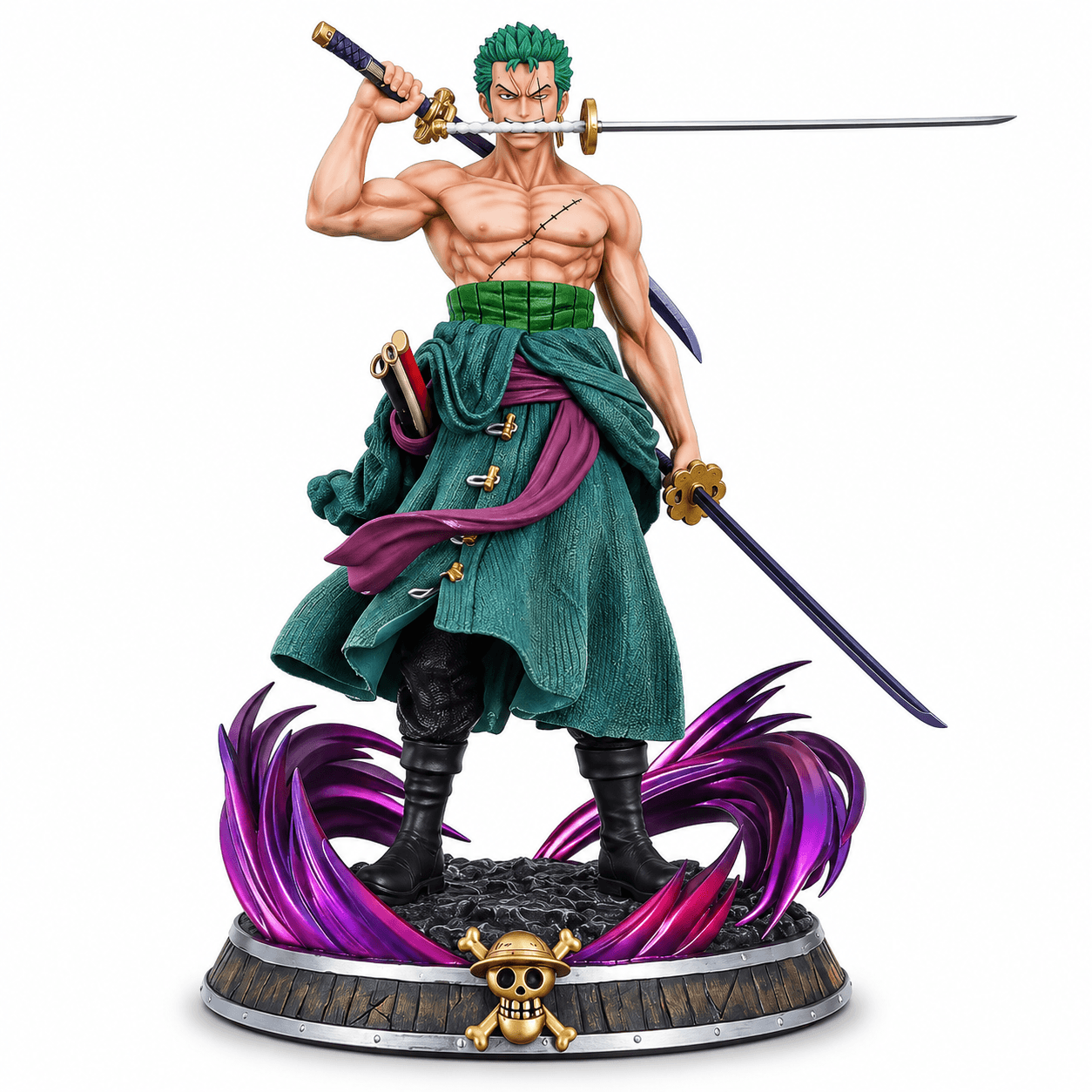
Modern GK statues come mostly from independent studios. A studio designs a piece, sculpts it, casts it in resin and paints it, often largely by hand. Many pieces are dioramas with a base, effects and sometimes more than one character. Some include LED lights or swappable parts.
Licensing varies by studio. Some studios hold official licenses for a given series. Many GK statues are fan works made without a license from the rights holder. If licensing matters to you, check what the studio says about each piece.
Resin vs PVC
Most mass-market figures, including prize figures and scale figures, are made of PVC and ABS plastic. These materials are slightly flexible and suit large factory runs. Resin (often called polyresin or polystone) is hard and rigid. It holds sharp detail and takes paint well, so it suits large, detailed sculpts.
The trade-off is that resin does not bend. A drop or knock that a PVC figure would survive can chip or crack a resin statue. Thin parts like swords, hair tips and effect pieces are the most at risk.
Size, weight and fragility
GK statues tend to be big. Many stand 30 to 60 cm tall, and some are larger. Resin is dense, so a statue often weighs several kilograms. Many come in pieces that fit together with pegs or magnets, packed in foam inside a sturdy outer box.
Plan your space before you buy. Measure the shelf, check that it can take the weight, and leave room around the base so nothing sticks out over the edge.
Editions and production times
Studios usually make GK statues in limited editions, from a few hundred pieces to a few thousand. Many open preorders first and only produce once the run is set. Production can take months, and delays are common in this part of the hobby. Some studios also release several versions of a piece, such as a standard and a deluxe edition with extra parts or lights.
What they cost and who they suit
GK statues sit at the top of the price range. A small piece can cost about as much as a high-end scale figure. Large dioramas often cost several hundred and sometimes over a thousand euros or dollars. Size, the number of characters, lights and a small edition all push the price up.
A GK statue suits you if you want a centerpiece rather than a shelf full of figures. It suits fans of a specific scene or a dramatic pose that no mass-market figure covers. If you would rather collect many characters on a budget, prize figures or scale figures are a better fit.
Handling and display
- Lift the statue by its base, never by an arm, a weapon or an effect piece.
- Assemble it on a soft, clear surface, like a towel on a table.
- Follow the studio's assembly guide and never force a peg that does not fit.
- Display it on a stable, level surface away from edges and busy walkways.
- Keep it out of direct sunlight, which can fade paint over time.
- Dust it with a soft brush rather than a cloth that can catch on thin parts.
What to check on arrival
Unpack a GK statue slowly, and keep every piece of foam until you are done. Then check it carefully.
- Photograph the outer box before you open it, especially if it looks dented or crushed.
- Check every part against the list in the manual.
- Look for cracks, chips and broken thin parts.
- Check the paint for scuffs or marks from the packing.
- Test-fit the parts before you decide something is wrong.
If something arrived damaged, stop unpacking and take photos. Keep the box and all the packing. Then write to [email protected] with your order number and the photos. If a figure arrives damaged or wrong, we replace it or refund you in full, return shipping included.
GachaBay team
Figure specialists
We are a small shop that only sells anime figures. We write these guides from the questions collectors send us most.
Categories
Share this article
Shop this article
Figures that go with this article, priced today.